Every player can describe the moment. A sprint back into defence, a chase for a loose ball, a sudden grab at the back of the thigh. What frustrates players most is rarely the first injury. It is the second one, four weeks after coming back.
The number one injury in both codes
The AFL has recorded injury data since 1992, and hamstring strains have sat at or near the top of the list ever since. Research using the league’s Soft Tissue Injury Registry logged 773 hamstring injuries across seven seasons, averaging seven per team per season.
Soccer tells the same story. The UEFA Elite Club Injury Study found the share of all injuries diagnosed as hamstring injuries doubled over two decades, from 12 per cent in 2001/02 to 24 per cent in 2021/22. Community players face similar demands without the medical staff, load monitoring or rehab facilities professional clubs have.
Why they keep coming back
Hamstrings rarely fail during slow movement. They fail at top speed, when the muscle is lengthening under load to control the swinging leg. That eccentric capacity at long muscle lengths is what protects the hamstring, and it is the first thing lost during a layoff. You can feel completely fine walking around and still have almost nothing in the position where the injury happened.
The recurrence data shows where that catches up with players. In the AFL registry, 26 per cent of hamstring injuries were recurrences, and 52 per cent of those happened within two months of the original injury. The UEFA study found more than two thirds of recurrences landed within two months of returning to play.
What force plate testing shows
Force plates measure how much force you produce, how quickly, and how evenly it is shared between legs. A typical assessment covers:
- Isometric strength testing, comparing injured to uninjured side. Low fatigue, so it can start early in rehab.
- Countermovement jumps. A player can jump a normal height while quietly offloading the injured leg, and dual plates pick that up.
- Reactive hopping, which loads the limb fast and stiff, much closer to sprinting than a slow squat.
- Rate of force development. Ground contact when sprinting lasts a fraction of a second, so how fast force arrives matters as much as how much of it there is.
Different tests can give quite different asymmetry results for the same athlete, so a single test on a single day is a weak basis for clearance. Repeated testing through rehab, read alongside running exposure and how the leg handles training, gives a far more honest answer.
Get tested before you get selected
If you have strained a hamstring, or you have one that returns every pre-season, testing gives you a clear target instead of a guess. Our Reservoir clinic sits inside a fully equipped gym, so assessment, strength work and sprint exposure all happen in one place. Book an assessment and we will map out what your leg still needs to prove.
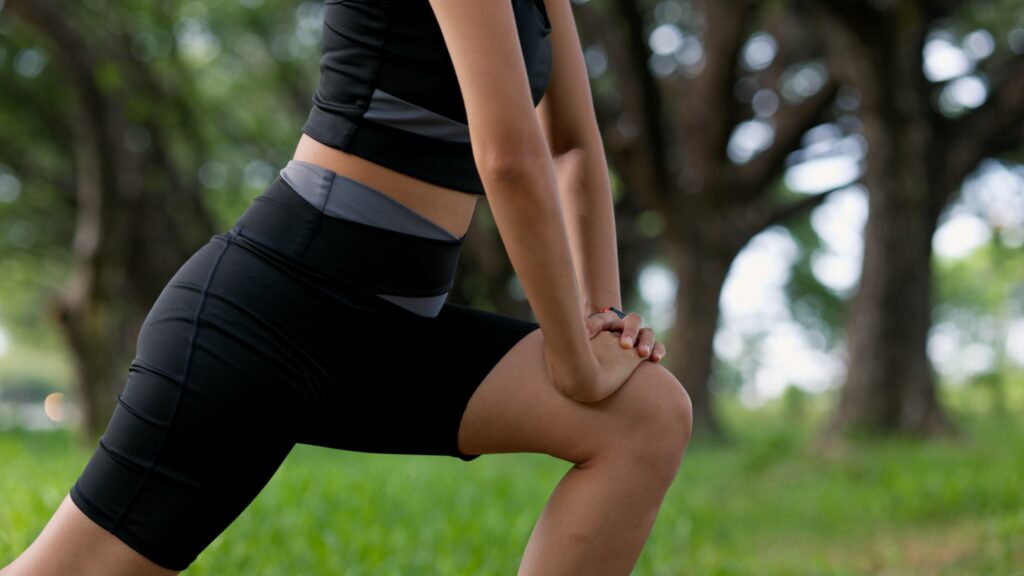
Whether you are working back from a strain, tired of the same niggle returning every pre-season, or simply want to know your numbers before round one, the team at Recover Strong Physiotherapy are here to help.
📞 0423 129 332
📧 andrew@recoverstrongphysiotherapy.com